
What Is the Medical Term for a Doctor Who Specializes in Bones and Muscles?
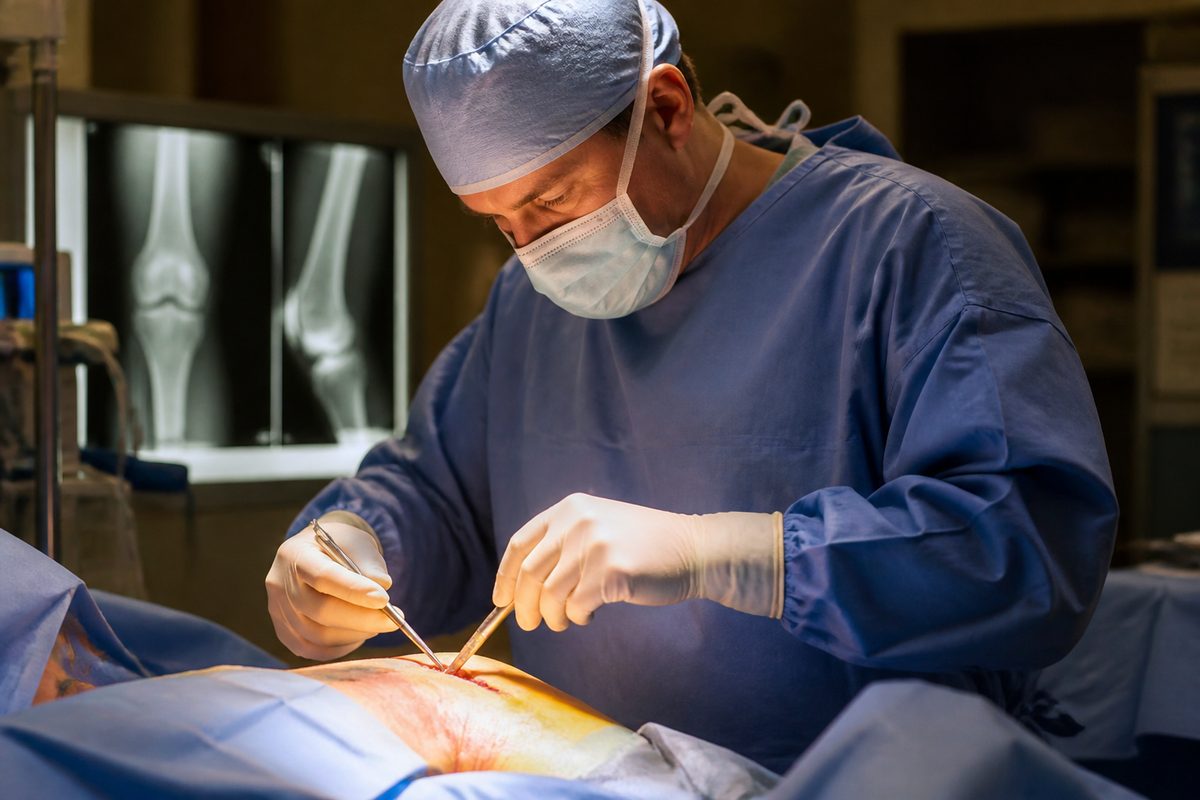
The medical term is orthopedist, also spelled orthopaedist, and this doctor is often called an orthopedic surgeon. An orthopedist diagnoses and treats injuries and structural problems in the bones, joints, ligaments, tendons and muscles. Some related doctors sound similar but do different work, so the right name depends on what is wrong with you.
Most people searching this phrase have a sore knee, a hurt shoulder or a back that will not settle. They want one word to type into a search box or say to a receptionist. That word is orthopedist. The rest of this article shows you when it is the right word and when another specialist fits better.
What does an orthopedist actually treat?
An orthopedist works on the Human musculoskeletal system. That system is your bones, joints, cartilage, ligaments, tendons and the muscles that move them. If it holds you up or lets you move, an orthopedist is trained to look at it.
Common reasons people see one:
- A broken bone or a torn ligament
- Worn-out joints that hurt every day
- A shoulder, hip or knee that locks or gives way
- Back and neck problems tied to the spine
The title "orthopedic surgeon" confuses many people. It does not mean every visit ends in an operation. In my experience, most first visits end with a plan that has no surgery in it. That plan may be rest, a brace, an injection or a referral to a physical therapist. Orthopedic surgery is the name of the field and the training path. It is not a promise that you will be cut open.
Is a bone and muscle doctor one specialty or several?
It is one Medical specialty with many branches, plus several neighbouring specialties that treat the same body parts in different ways. Think of it as one large family. The orthopedist is the surgeon in the family. The others lean on medicine, rehabilitation or athletic care.
This is why the question has more than one correct answer in daily life. If a friend says, "I saw a bone doctor," they may mean an orthopedist. They may also mean a rheumatologist or a physiatrist. The word you use at the booking desk changes who you get.
How is an orthopedist different from a rheumatologist?
A rheumatologist treats joint problems caused by inflammation and the immune system. Rheumatoid arthritis and lupus are classic examples. These doctors mostly use medicines and blood tests, and they do not operate.
An orthopedist treats damage to the structure itself. A torn meniscus, a worn hip and a crooked fracture are structural problems. Here is a simple test. If your joints are swollen, stiff in the morning and tender in several places at once, a rheumatologist is a good first stop. If one joint was injured or wore down from use, start with an orthopedist.
One of my clients spent months treating what she thought was a worn-out wrist. She kept seeing surgeons. Her wrists, knuckles and feet were all stiff in the morning. Once a rheumatologist reviewed her case, the picture changed. Her problem was inflammatory, and the treatment was medicine, not a procedure. The lesson is simple: widespread, symmetrical joint pain points away from the surgeon's office.
Where does a physiatrist fit?
A physiatrist practises Physical medicine and rehabilitation. Their goal is to restore function. They treat pain, weakness and movement problems without surgery in most cases, and they plan the recovery that follows an injury, a stroke or an operation.
A physiatrist often leads a team. That team may include a physical therapist, an occupational therapist and a pain specialist. They look at how you move and live day to day, then choose the tools that help you do more with less pain.
Many people confuse a physiatrist with a physical therapist. They are different jobs. The physiatrist is a physician who makes the Medical diagnosis and writes the plan. The therapist carries out hands-on treatment and exercise. Physical therapy is the treatment, and it is delivered by the therapist, not the physician.
What does a sports medicine physician do?
Sports medicine focuses on injuries in active people, from weekend runners to competitive athletes. These doctors may start as family physicians, paediatricians or orthopedists before taking extra training. That means a sports medicine doctor may or may not be a surgeon.
This detail matters. If you hurt your ankle in a soccer game, a non-surgical sports medicine physician can often manage it well. If the injury needs an operation, they will send you to an orthopedic surgeon who does that work. The two roles often work as a pair.
The label "active" is wider than people think. You do not need to play a sport. A gardener with a stubborn elbow or a parent who strained a back lifting a toddler can fit this category.
Which orthopedic subspecialist treats which problem?
After medical school, an orthopedist can train further in one body area or one type of problem. These subspecialties matter because a surgeon who does one thing every day usually does it well. A few you may meet:
- Joint replacement: These surgeons replace worn hips and knees with implants. Knee replacement is among the most common operations they do, and it is aimed at people whose arthritis has worn away the cushion in the joint.
- Hand surgery: This branch treats the hand, wrist and forearm, including nerve problems like carpal tunnel and tendon injuries. Some hand surgeons were trained in plastic surgery rather than orthopedics.
- Trauma surgery: These orthopedists care for severe injuries from falls, crashes and other accidents, often in hospitals and often on short notice.
- Spine surgery: This branch treats the back and neck, where nerves and bones sit close together.
When a fracture needs repair, the surgeon may use Internal fixation. That means plates, screws, rods or pins placed inside the body to hold the pieces together while the bone heals. A simple Bone fracture in a child may only need a cast, but a displaced break in an adult leg often needs this kind of hardware.
What about muscles on their own?
Here is an angle many articles miss. The phrase "bones and muscles" suggests one doctor covers both equally. In real life, Skeletal muscle problems often go to different specialists than bone problems.
A pulled muscle or a strained tendon usually heals with rest and rehabilitation. A sports medicine physician or a physiatrist can handle that well. A muscle that is weak for no clear reason may point to a nerve or a disease of the muscle itself. In that case, a neurologist may be the right person.
I saw this with a client who kept losing strength in one leg. Everyone assumed a hip problem, and the scans looked mostly fine. Only when a nerve specialist tested the leg did the real cause appear. The bone was not the issue at all. The takeaway is that unexplained weakness deserves a wider look than the word "orthopedist" suggests.
Why do you see two spellings, and does it matter?
Orthopedist and orthopaedist mean the same thing. The first is the common American spelling. The second is common in the United Kingdom, Canada and many professional bodies. When you search, try both. You will get the same type of doctor either way.
How do you pick the right doctor for your problem?
Match your symptoms to the specialist, not the other way around. Use this quick guide:
- An injury, a broken bone or a single worn joint points to an orthopedist.
- Swollen joints in several places with morning stiffness point to a rheumatologist.
- Long-lasting pain, weakness or a hard recovery point to a physiatrist.
- A sports or exercise injury points to a sports medicine physician.
If you are unsure, start with your primary care doctor. They can examine you, order basic tests and send you to the right place. A good referral saves weeks. I have watched people bounce between three offices because they guessed the specialty wrong at the start.
Many people also try Therapy before surgery, and that is often the right order. Strengthening, stretching and guided movement can settle many joint and muscle problems. A surgeon who suggests you try this first is not brushing you off. They are giving you the lower-risk option first.
Can you trust what you read online about this?
Be careful. Health pages about bone and joint topics vary a lot in quality and completeness. Pages that are clear about who wrote them tend to give better content. That finding comes from research on osteoporosis and fragility fractures, and it does not compare the specialties themselves. My comparison of specialists above is general background, not a study result.
So check the answer yourself. Look at the website of a hospital or a national medical society. Both usually list what each specialist treats. Then ask your primary care doctor which one fits your case.
What should you do next?
Take these steps in order:
- Write down where the pain is, when it started and what makes it worse.
- If it follows an injury or a single joint problem, search for an orthopedist or orthopaedist near you and book a visit.
- If several joints are swollen and stiff, ask your primary care doctor about a rheumatologist first.
- If you need help recovering movement, ask about a physiatrist and a physical therapist.
- Before any operation, ask what happens if you wait and what non-surgical options exist.
The one word to remember is orthopedist. Use it as your starting point, then let your symptoms and your primary care doctor guide you to the exact specialist you need.