
Recovery & wellbeing · Fiona Adams · 8 November 2026
Individuals experiencing early stages of degenerative osteoarthritis or cartilage wear were frequently advised to reduce physical activity to avoid joint strain. Modern musculoskeletal research has inverted this assumption: sustained immobilisation accelerates cartilage thinning, joint stiffness and muscular atrophy. Consequently, clinical orthopaedic care and exercise physiology are prioritising progressive, low-impact conditioning frameworks that stimulate synovial fluid production, build stabilising periarticular muscle mass and redistribute mechanical loads away from vulnerable joint surfaces without excessive axial shock.
Moving forward requires a shift in mindset. You must learn to view exercise not as a threat to your joints but as the primary mechanism for keeping them nourished, resilient and capable of handling everyday demands.
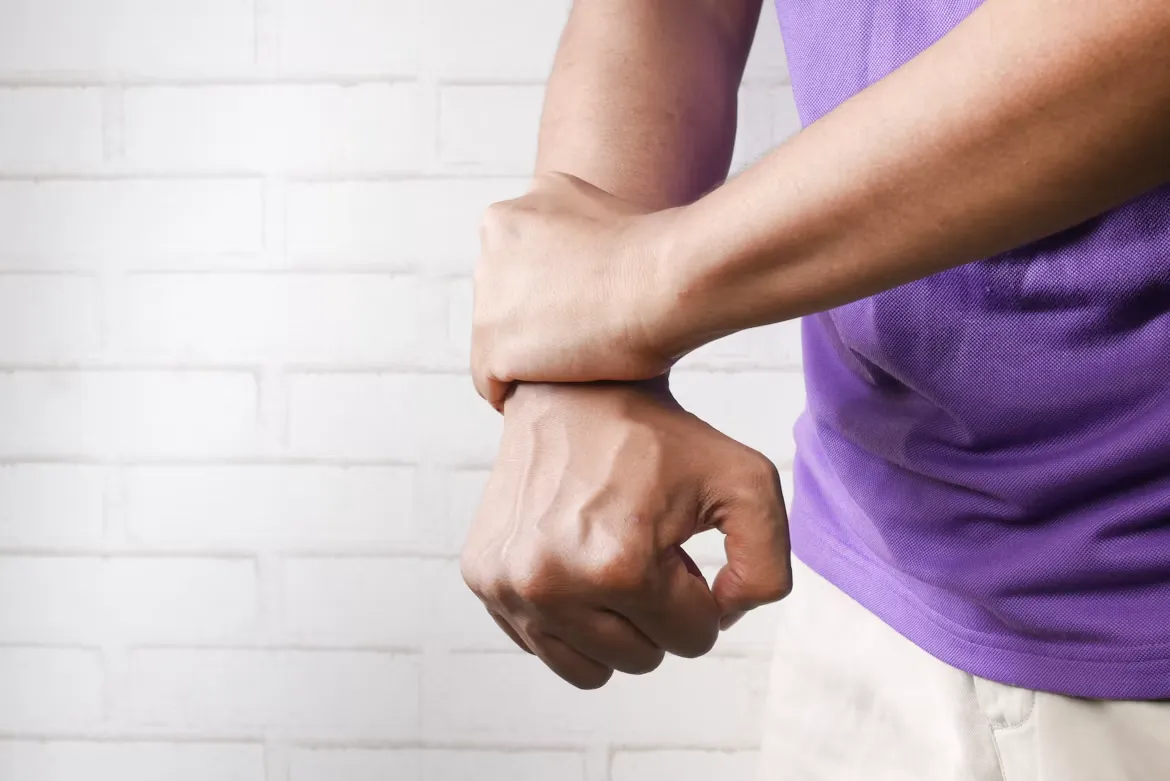
Photo: Unsplash
When Should You Transition To Structured Clinical Care?
Training on your own works well until shifted mechanics or joint wear cause localised pain, making clear separation between daily muscle fatigue and joint inflammation critical to stop minor aches from turning into long-term injuries. When uneven movement patterns or persistent pain emerge, booking support through the likes of https://www.mtphealth.com.au/orthopaedics/ for allied health clinics and exercise physiology programs delivers an objective evaluation of your joint mechanics and strength discrepancies. Teaming up with qualified clinicians keeps your routine aligned with your exact physical needs.
Why Do Cartilage And Joints Rely On Movement?
Joint cartilage lacks a direct blood supply. That biological reality means your cartilage depends entirely on mechanical movement to receive the nutrition it needs for daily repair and maintenance. Every time you engage in non-impact cyclic loading, such as hydrotherapy, stationary cycling or controlled resistance training, you create a rhythmic pumping action.
That mechanical compression and release push waste products out of the tissue and draw fresh nutrients in from the surrounding synovial fluid. Harvard Health Publishing notes that engaging in targeted low-impact resistance training promotes synovial fluid circulation, which supplies vital nutrients to avascular joint cartilage. Without this regular circulation, cartilage tissues starve of essential elements, leading to accelerated thinning and stiffness.
How Can You Protect Your Joints Through Load Redistribution?
Every single step you take sends ground reaction forces up through your ankles, knees and hips. If your surrounding musculature lacks the strength to absorb those forces, your articular cartilage bears the brunt of the impact. Strengthening the muscles directly supporting your major joints changes how loads travel through your body during everyday movement.
Targeted conditioning of the quadriceps and gluteals transforms your legs into shock absorbers. The Arthritis Foundation highlights that regular low-impact exercise strengthens the surrounding muscles, taking stress off vulnerable cartilage during daily movement. Building this muscular support means your daily walks, stair climbs and recreational activities no longer grind away at unprotected joint surfaces.
What Are The Best Low-Impact Activities For Your Routine?
Choosing the right modalities keeps you moving safely while maintaining cardiovascular fitness and muscular strength. You want activities that elevate your heart rate and challenge your muscles without subjecting your joints to harsh axial loading or high-impact shock.
- Pedal on cycles: Stationary or recumbent bikes allow you to build lower body strength and endurance while keeping your knees and hips tracking smoothly through predictable ranges of motion.
- Train in water: Hydrotherapy and water aerobics provide natural resistance from the fluid while eliminating body weight stress, letting you move freely and build strength without joint irritation.
- Practise controlled resistance: Lightweight training or resistance band exercises isolate stabilising muscle groups around your joints, improving your overall structural alignment and balance.
How Can You Safely Progress Exercise Without Triggering Flare-Ups?
Stimulating structural adaptation requires progressive overload, but exceeding the immediate capacity of compromised cartilage risks provoking an inflammatory cascade. A widely used guide for safely advancing your training is the 24-hour response rule. Mild, localised muscular fatigue during or immediately following exercise is a healthy adaptive signal; however, sharp pain during movement, or joint swelling and warmth that lingers into the following morning, indicates the applied mechanical stress exceeded your joint's current tolerance.
Managing this threshold requires systematic pacing rather than abrupt jumps in intensity. Modifying one training variable at a time, such as extending time under tension or adding session frequency before increasing external load, gives avascular cartilage, ligaments and subchondral bone adequate time to remodel. This calculated approach helps prevent reactive synovitis while steadily raising your functional threshold for daily activities.

Photo: Unsplash
Long-term joint preservation requires proactive, mechanically sound exercise routines rather than passive rest or unmonitored high-impact loads. Committing to intelligent, low-impact movement patterns lets you maintain your active lifestyle while safeguarding your physical independence for the decades ahead.