
What Type of Doctor to See for Bone Pain?
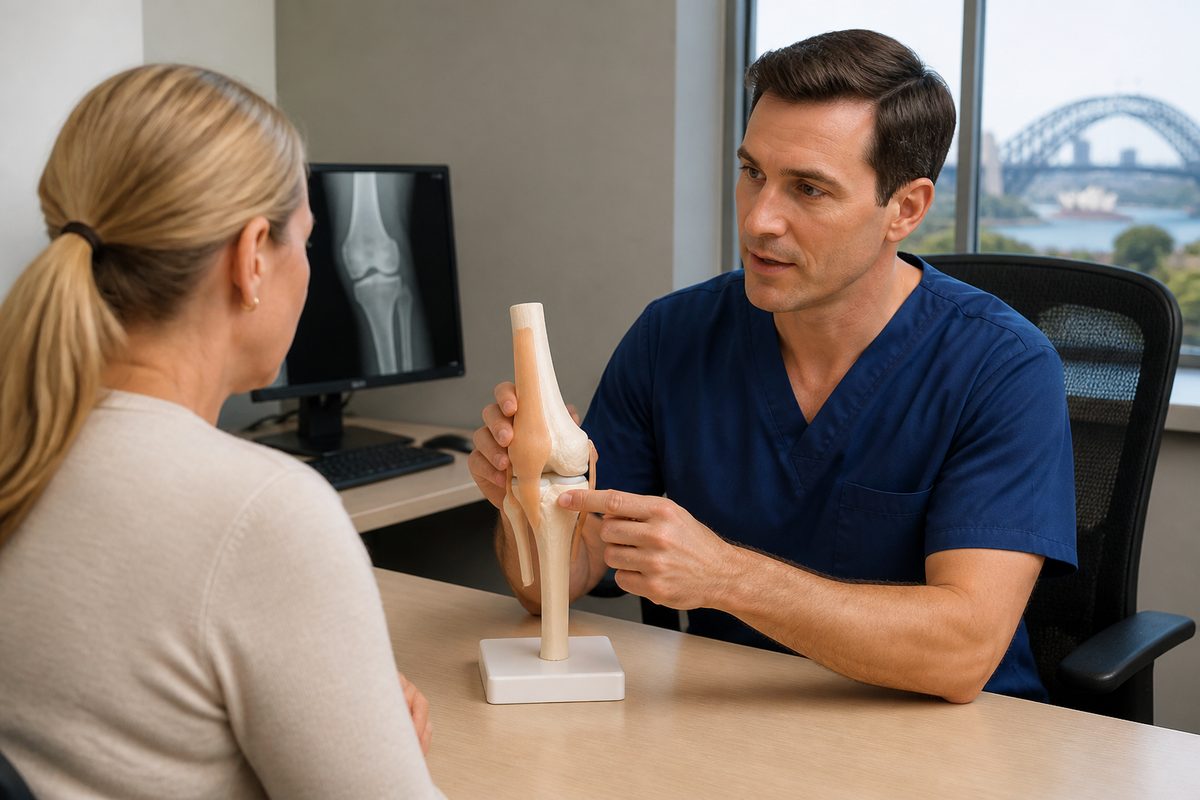
Start with your primary care physician. They can examine you, order the first tests and send you to the right specialist. This is practical advice drawn from the findings below, not a rule from a single study. Bone pain has many causes, and the right specialist depends on which one you have.
Three patterns make the next step clearer. Deep, widespread aching with weak muscles often leads to an endocrinologist. Pain after an injury, or in one joint, usually leads to an orthopaedic doctor or a rheumatologist. A child with bone pain and other odd symptoms needs a prompt visit with a paediatrician.
Why Start With a Primary Care Physician?
Bone pain is a symptom. It is not a diagnosis. A specialist can only help if you pick the right one, and picking wrong costs you weeks. A primary care physician sorts the problem first.
This doctor asks where it hurts, when it started and what makes it worse. They check your joints, your muscle strength and your skin. They look at your medicines, because some drugs affect bones. Then they order blood work or imaging and decide who should see you next.
Imagine a woman in her fifties who has ached in her hips and thighs for months. She assumes it is her age and books a joint surgeon. The surgeon finds nothing wrong with the joint. A simple blood test with her family doctor would have found the cause weeks earlier. That is the main reason to go through the front door first.
Any licensed medical doctor can start this process. Many people also have access to nurse practitioners and physician assistants in primary care, and they can do the same first steps.
When Does Bone Pain Point to an Endocrinologist?
Think of an endocrinologist when the pain is deep, spread out and hard to pin down, especially with weak muscles. Climbing stairs or standing up from a chair feels harder than it should.
One cause is a softening of the bones called osteomalacia. In adults it mostly comes from severe vitamin D deficiency. It shows up as diffuse bone pain and muscle weakness, and it is often missed early because the symptoms are vague.
It also looks like osteoporosis, yet the two are treated differently, so a correct diagnosis matters. Osteoporosis is a loss of bone density that often causes no pain until a bone breaks. Osteomalacia is a problem with how bone hardens, and it often does hurt.
These problems sit under the wider label of metabolic bone disease. That term covers conditions where the body's chemistry, such as vitamin D, calcium or hormones, weakens the skeleton. Endocrinologists treat these every day.
Here is what to do with this. If your aching is widespread and you feel weak, say both things out loud to your primary care physician. Do not describe only the pain. The weakness is the clue that moves a vitamin D or other metabolic cause up the list. An endocrinologist referral is then likely.
When Is an Orthopedic Doctor the Right Call?
Choose an orthopaedic doctor when the pain is in one place and has a clear story. A fall, a twist, a hard hit or a sudden pop all count. So does a joint that locks, swells or gives way.
A bone fracture is the obvious example. Pain that is sharp, gets worse when you put weight on the limb, and comes with swelling or bruising needs an X-ray. If the limb looks bent or you cannot use it, go to urgent care or the emergency room. Do not wait for an appointment.
A stress fracture is harder to spot. It is a tiny crack from repeated strain, not one big blow. It starts as a dull ache during activity and then hurts even at rest. The shin, the foot and the hip are common spots. Early X-rays can look normal, so a doctor may order an MRI or a bone scan. Bone scintigraphy is one such scan. It uses a small amount of tracer to show where bone is actively repairing itself.
Picture a runner who ramps up mileage before a race. A sore spot on the shin turns into pain with every step. She keeps running because it is just a sore shin. Two weeks later, she has a stress fracture and a longer recovery than if she had stopped at the first ache. When pain follows a change in activity, get it checked early.
Orthopaedic doctors treat the structure: bones, joints, tendons and ligaments. They set fractures, repair damage and decide when surgery is needed. Many cases do not need surgery at all.
Is Sports Medicine a Better Fit for Active People?
Sometimes, yes. If your pain comes from training, a sports injury or a repeated motion, a sports medicine doctor is a strong choice. These are doctors who treat active people and focus on getting you back to movement without causing more harm.
Sports medicine suits overuse problems, such as a nagging shin, heel or hip. It also suits people who need a plan for returning to a sport. A sports medicine doctor can treat most problems without surgery. They send you to an orthopaedic surgeon if the injury calls for one.
The choice is simple. If surgery seems likely, such as with a clear break, go to orthopaedics. If you want to keep training safely while you heal, start with sports medicine. Your primary care physician can steer you to either.
What About a Rheumatologist?
A rheumatologist treats conditions where the immune system or inflammation damages the joints and nearby bone. Think of this doctor when the pain sits in the joints and comes with stiffness that lasts a long time in the morning.
Rheumatoid arthritis is the classic example. It is an autoimmune disease, which means the body attacks its own tissue. It usually affects the same joints on both sides, such as both wrists or both hands. Swelling and warmth are common. Left untreated, it can wear down the bone next to the joint.
Other autoimmune disease types can cause bone and joint pain too. Fatigue, rashes, dry eyes or a low fever alongside the pain are signs that something systemic is happening. Say so at your appointment. Those extra symptoms are what lead a primary care physician to send you to a rheumatologist and not an orthopaedist.
Which Specialist Fits Which Pain?
Use this as a quick guide. It is a starting point, and your primary care physician may adjust it after an exam.
- Deep, widespread aching with weak muscles: primary care first, then likely an endocrinologist.
- Pain after a fall, twist or hit: urgent care or an orthopaedic doctor.
- Pain that began with a new training load: sports medicine or orthopaedics.
- Stiff, swollen joints on both sides of the body: a rheumatologist.
- Constant pain at night or pain that keeps growing: primary care promptly, then the specialist they name.
If your pain fits none of these, that is fine. Start with primary care anyway. Unclear pain is exactly what they are trained to sort out.
What Warning Signs Mean You Should Be Seen Quickly?
Most bone pain is not cancer. A small share is, and these signs call for a prompt visit and not a wait-and-see approach.
- Pain that wakes you at night or does not ease with rest
- Pain that keeps getting worse over weeks
- Unexplained weight loss, fever or night sweats
- A lump, or swelling over a bone
- A history of cancer, with new bone pain
Bone metastasis happens when cancer from another part of the body, such as the breast or prostate, spreads to bone. In someone who has had cancer, new bone pain should go to the oncology team or primary care doctor right away.
Multiple myeloma is a cancer of plasma cells in the bone marrow. It can cause bone pain, often in the back or ribs, along with tiredness and frequent infections. A blood test is usually the first step in finding it.
Paget's disease of bone is not cancer. It is a condition where bone renews itself too fast and grows misshapen. It mostly affects older adults and can cause aching in the pelvis, spine, skull or legs. It is often found by chance on an X-ray or a blood test. An endocrinologist or rheumatologist often manages it.
All of these fall under the broad term bone disease, and none can be told apart by feel alone. That is why a doctor visit matters more than guessing from a list.
What Tests Will a Doctor Order?
Expect simple steps first. The doctor will likely order blood tests that check vitamin D, calcium and markers of inflammation. An X-ray is the usual first image. If the X-ray looks normal and pain continues, an MRI or a bone scan may follow.
A bone density scan measures how strong your bones are. It is useful if you are older, have broken a bone from a minor fall, or take medicines that weaken bone. It does not explain every ache. A normal result does not rule out osteomalacia, so ask your doctor what each test can and cannot tell you.
Each test narrows the list. That is how your doctor decides which specialist to send you to, and it is why you do not need to pick one before your first visit.
What About a Child With Bone Pain?
Children get growing pains and sports bumps often. Most bone pain in kids is harmless. A paediatrician should still see a child whose pain comes with other symptoms.
In children, bone pain together with vague symptoms that will not go away, abnormal bleeding, swollen lymph nodes or an enlarged liver or spleen should raise suspicion of leukaemia. Early recognition of childhood cancers can improve outcomes.
In plain terms, call the paediatrician soon if your child has bone pain plus unexplained fever, unusual bruising or bleeding, swollen glands or ongoing tiredness. The paediatrician can order tests and arrange a referral. Do not wait for the pain to get worse.
A child who limps after a fall and has a swollen, tender spot also needs an X-ray the same day. Growing bones can crack in ways that look like a bad sprain.
What Should You Bring to the Appointment?
A good visit starts before you walk in. Doctors work from your story, and a clear story saves time.
- When the pain started, and what you were doing then
- Exactly where it hurts, and whether it moves
- What makes it better or worse, including rest, movement and time of day
- Any weakness, fever, weight change or fatigue
- A list of every medicine and supplement you take
- Past injuries, fractures or cancer in you or your close family
Rate the pain from 0 to 10 for a few days beforehand. Write it down. A number and a pattern tell a doctor more than the word "bad."
How Sure Can You Be About All This?
The research here is narrow. One source describes how osteomalacia presents and how it differs from osteoporosis. Another describes warning signs of childhood cancers. Neither tells you which specialist to book for every bone ache.
The advice to start with primary care, and the guidance on orthopaedics, sports medicine and rheumatology, is a practical inference. It is general guidance, not a finding from those studies. What you should do with that uncertainty is simple: do not try to diagnose yourself. Let a primary care physician take the first look, and push for more answers if your pain does not match what they tell you.
Your Next Steps
- Book a visit with your primary care physician this week if the pain has lasted more than a couple of weeks.
- Go to urgent care or the emergency room at once for a suspected broken bone, an injured limb you cannot use, or severe pain after a fall.
- Tell your doctor about any muscle weakness, because it points toward a vitamin D or other metabolic bone cause.
- Write down your timeline, medicines and symptoms before you go.
- Take a child with bone pain plus fever, bruising, swollen glands or tiredness to the paediatrician promptly.
- If the first answer does not explain your pain, ask what the next test or referral should be.
Bone pain is easier to treat when it is named early. Make the call today.
Sources
- Young G, Toretsky JA, Campbell AB, Eskenazi AE (2000) "Recognition of common childhood malignancies" American family physician. PMID: 10779255
- Golounina O, Runova G, Fadeyev V (2020) "Osteomalacia in practice of endocrinologist: etiology, pathogenesis, differential diagnosis with osteoporosis" Osteoporosis and Bone Diseases. DOI: 10.14341/osteo12117