
Using this resource
This guide explains the topic in more detail so you can prepare for a discussion about your own care. Individual instructions from your treating team take priority.
Some discomfort is expected after hip replacement, but pain should be managed well enough to support rest and the movement prescribed by your team. A clear plan is more useful than trying to cope until the pain becomes overwhelming.
Understand the plan before going home
Ask for written instructions covering each medicine, when to take it and how the plan should change as recovery progresses. Tell the team about your usual medicines and any previous problems with pain relief.
Different treatments may be combined to address pain in different ways. What is suitable depends on your health, allergies and other medication, so another person’s prescription is not a guide for your recovery.
Use cold packs carefully
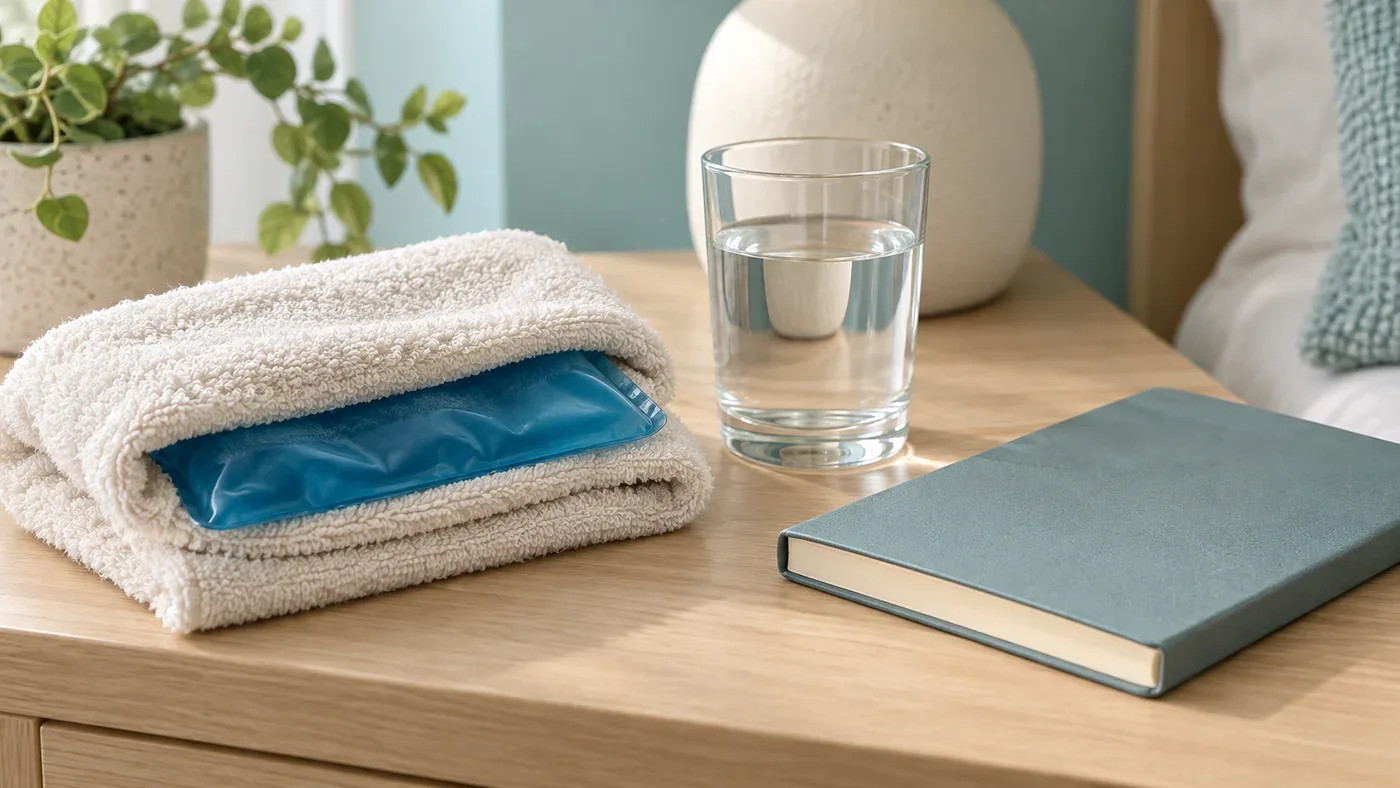
A cold pack may help with discomfort when recommended by your treating team. Wrap it in a cloth, protect the skin and follow the advised duration. Do not place ice directly on the skin or leave it on while asleep.
Ask for advice if sensation or circulation is reduced, and keep the dressing protected. Stop if the skin becomes unusually painful or irritated, and ask the team for advice.
Know what each medicine is for
Your plan may include regular medicines and additional relief when needed. Check before taking over-the-counter products, as some contain the same ingredients as prescribed tablets. Anti-inflammatory medicines are not suitable for everyone.
Opioids may be used for some patients, but can cause drowsiness, nausea and constipation, and carry a risk of dependence. Follow the prescription and discuss how to reduce or stop them safely when appropriate.
Balance comfort, movement and rest
Tell the team if pain prevents walking or exercises, or if side effects interfere with recovery. A review may be needed rather than simply increasing or stopping medicines yourself.
Pace activity and use the positions or supports recommended for you. The goal is steady participation in recovery, not proving that you can manage without relief.
Do not dismiss a change in symptoms
Pain that becomes much worse, new wound redness or discharge, fever or significant new leg swelling needs prompt medical advice. Sudden breathlessness or chest pain requires emergency help.
Keep the hospital’s contact instructions with your medication list so you and anyone helping at home know whom to call.
Managing discomfort after hip replacement
Dr Daniel Mandziak discusses cold therapy and medication as parts of a hip replacement pain plan. Follow the individual instructions supplied by your treating team.
Questions to consider
- Which information in this resource applies to my situation?
- Has the advice, service or research described changed since it was published?
- Which questions should I take to my treating clinician?