
Using this resource
This guide explains the topic in more detail so you can prepare for a discussion about your own care. Individual instructions from your treating team take priority.
Robotic technology and modern pain management can play a part in knee replacement care. They address different aspects of the operation, and both need to fit an individual treatment plan focused on safe recovery and improved function.
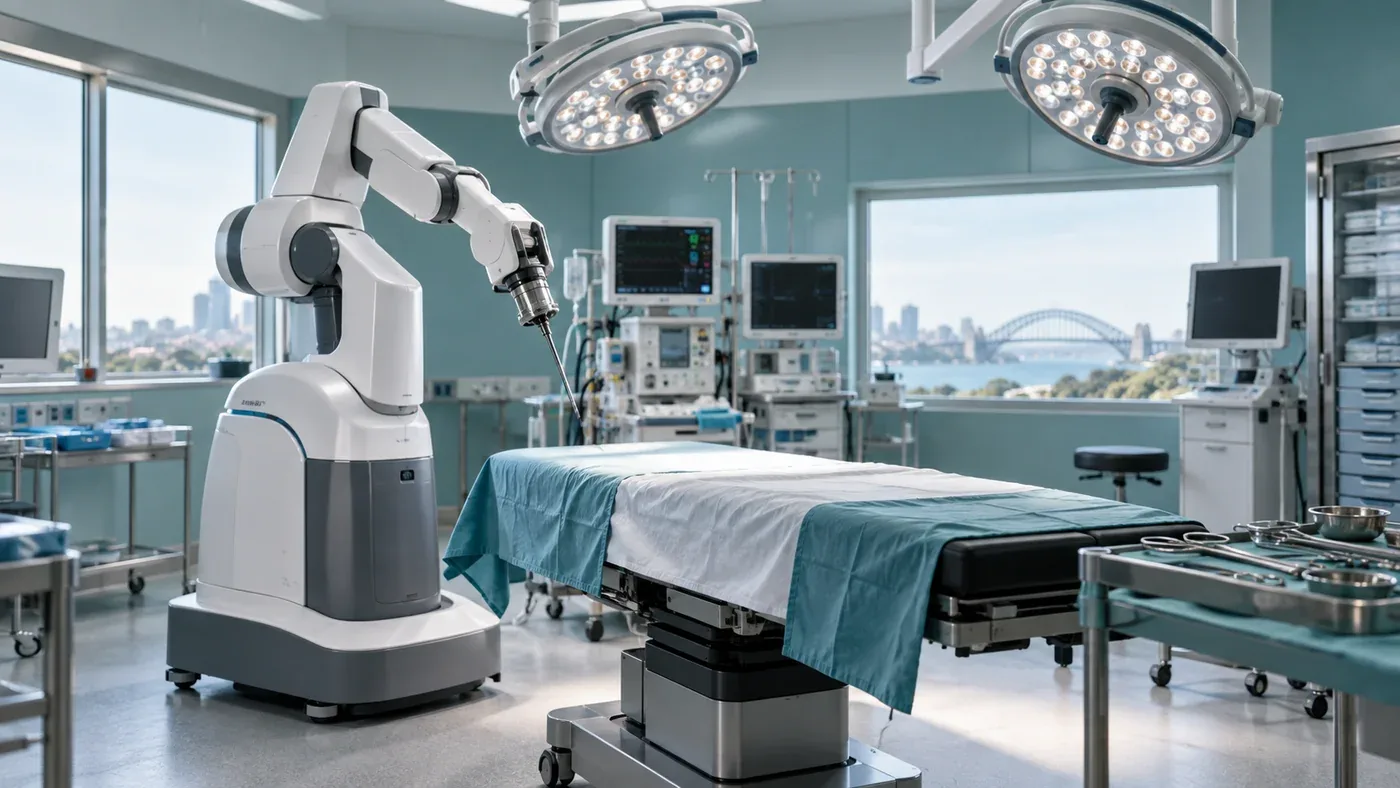
What does robotic assistance do?
In robotic-assisted knee surgery, technology helps the surgeon plan and carry out parts of the procedure. Depending on the system, information about the knee may come from imaging before surgery or measurements taken during the operation.
This information can help guide decisions about implant position, alignment and the balance of tissues around the joint. The surgeon remains responsible for the operation. The robot does not independently decide how to treat the knee.
Technology is one part of the decision
Robotic assistance may help with particular planning and positioning tasks, but it does not guarantee a pain-free or faster recovery. The underlying condition, surgical plan, general health and rehabilitation all contribute to the result.
Ask whether robotic assistance is appropriate for your procedure, which system is used and whether it changes imaging requirements, costs or risks. Availability and the surgeon’s experience are also part of an informed discussion.
The surgical approach matters too
Surgeons may use different approaches to reach the knee joint. Some techniques aim to preserve particular muscle structures, but suitability depends on the patient and operation. An approach should be assessed as part of the whole treatment plan rather than chosen on a name alone.
Your surgeon can explain how the planned procedure may affect early movement, precautions and physiotherapy.
What is multimodal pain management?
Multimodal pain management combines suitable methods that act in different ways. Depending on your needs, the plan may include different medicines, local anaesthetic techniques and other measures to support comfort and movement.
The aim is to manage pain while limiting unwanted effects where possible. Using a combination can reduce reliance on a single medicine, including opioids, but the exact plan must account for your health and other medications.
Pain relief should support rehabilitation
Comfort matters because it helps you rest and participate in the movement prescribed by your team. Tell them if pain is preventing exercises or if medicines cause troublesome effects. Do not add, stop or change doses without checking the instructions.
Before discharge, confirm how to take each medicine, how the plan should change as you recover and who to contact with concerns. Clear guidance is as important as the technology used during the operation.
Surgical planning and recovery after knee replacement
Dr Darren Waters discusses robotic assistance, surgical approaches and the role of multimodal pain management.
Explore knee care and preparation for joint surgery.
Questions to consider
- Which information in this resource applies to my situation?
- Has the advice, service or research described changed since it was published?
- Which questions should I take to my treating clinician?